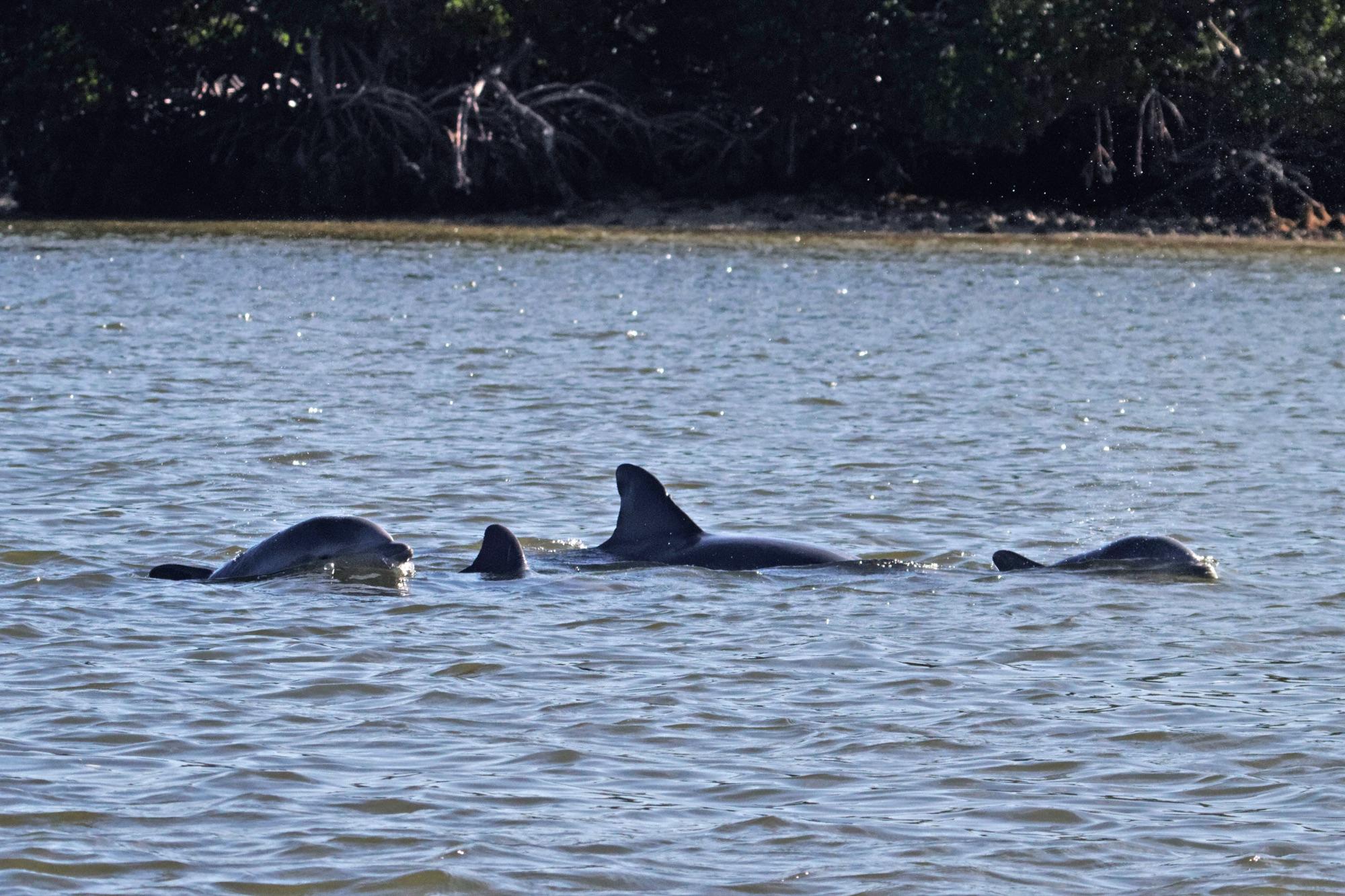
What a dolphin tour is like
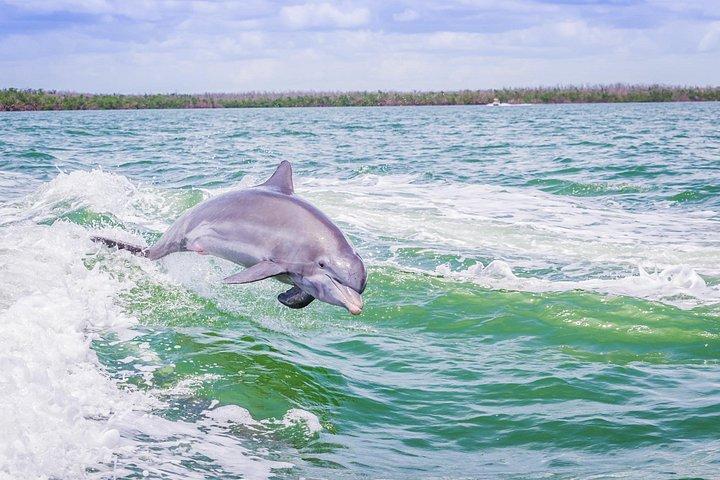
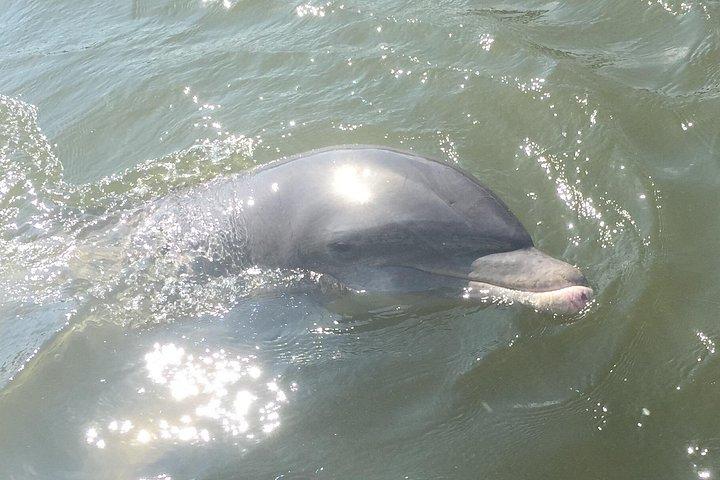
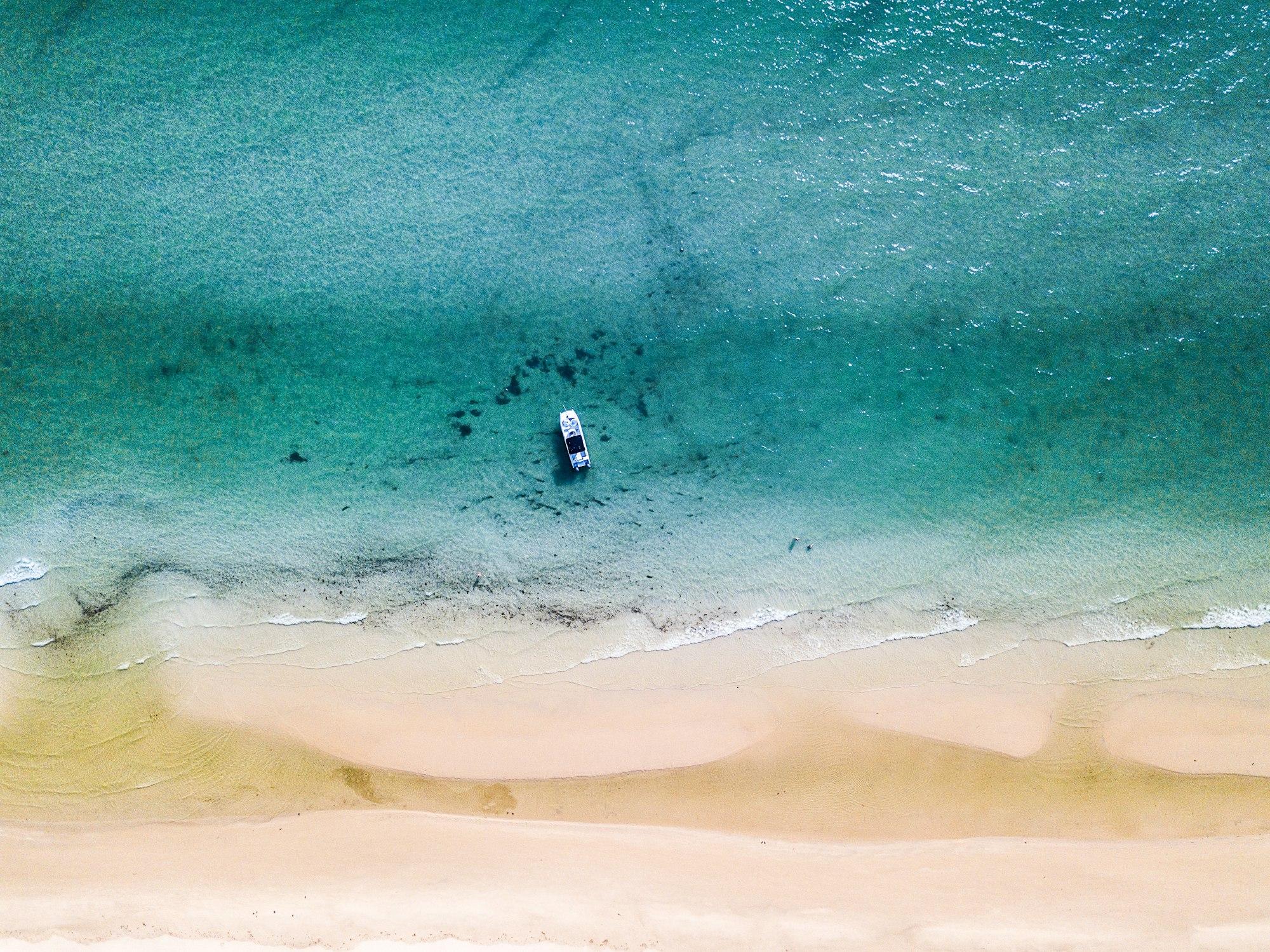
Most trips run two to three hours. The boat heads into the sheltered water behind the island or south into the Ten Thousand Islands, where the channels wind between mangrove islands and the water stays calm. The captain looks for dolphins working the edges of the mangroves and the shallow flats, where they chase fish.
These are wild animals on their own schedule. A good captain knows where they have been feeding that week, but nobody controls whether they surface next to the boat or a hundred yards off. Some operators advertise a sighting guarantee. If that matters to you, read the terms on the tour's own page before you book.
Where the boats go
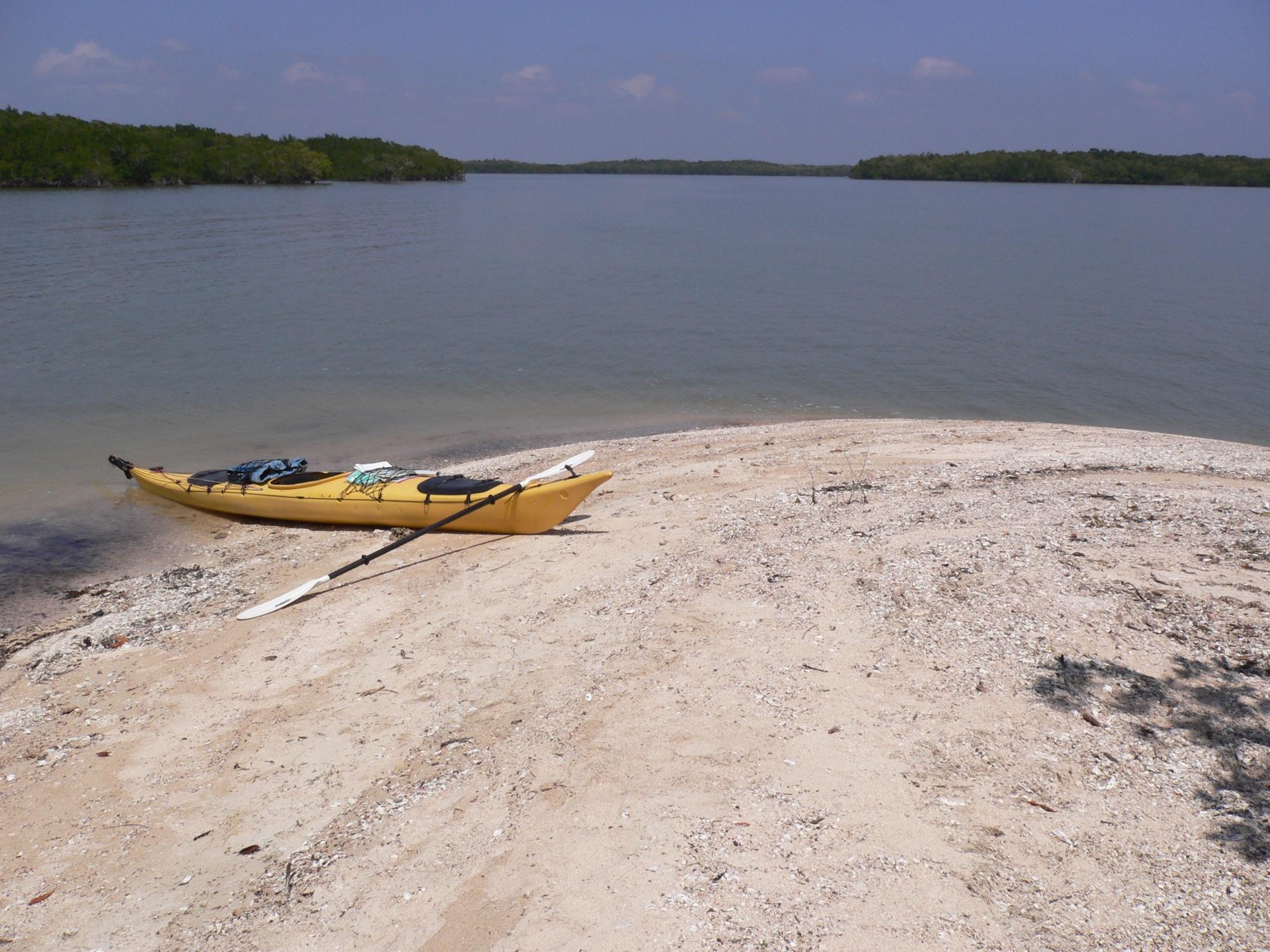
South of Marco Island, the Ten Thousand Islands National Wildlife Refuge covers about 35,000 acres of mangrove islands and shallow bays. Boats reach it from Goodland, the fishing village on the island's southeast corner. To the north, the Rookery Bay Reserve protects the bays between Marco Island and Naples. Both are dolphin country, and most tours work one or the other.
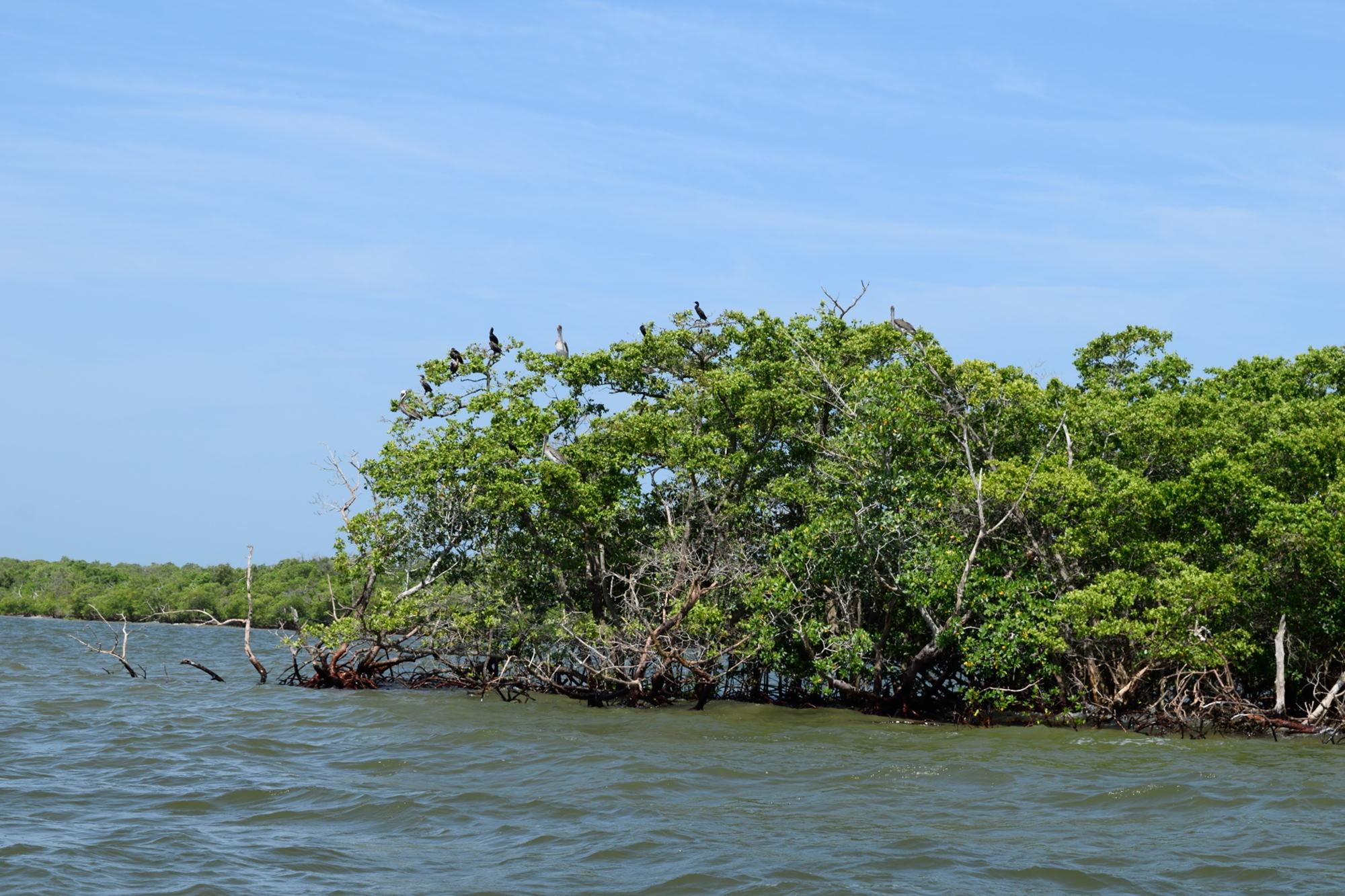
Pelicans and cormorants in the mangroves, seen from a dolphin and shelling boat tour. Photo by Haydn Blackey, CC BY-SA 2.0, via Wikimedia Commons.
What else you will see
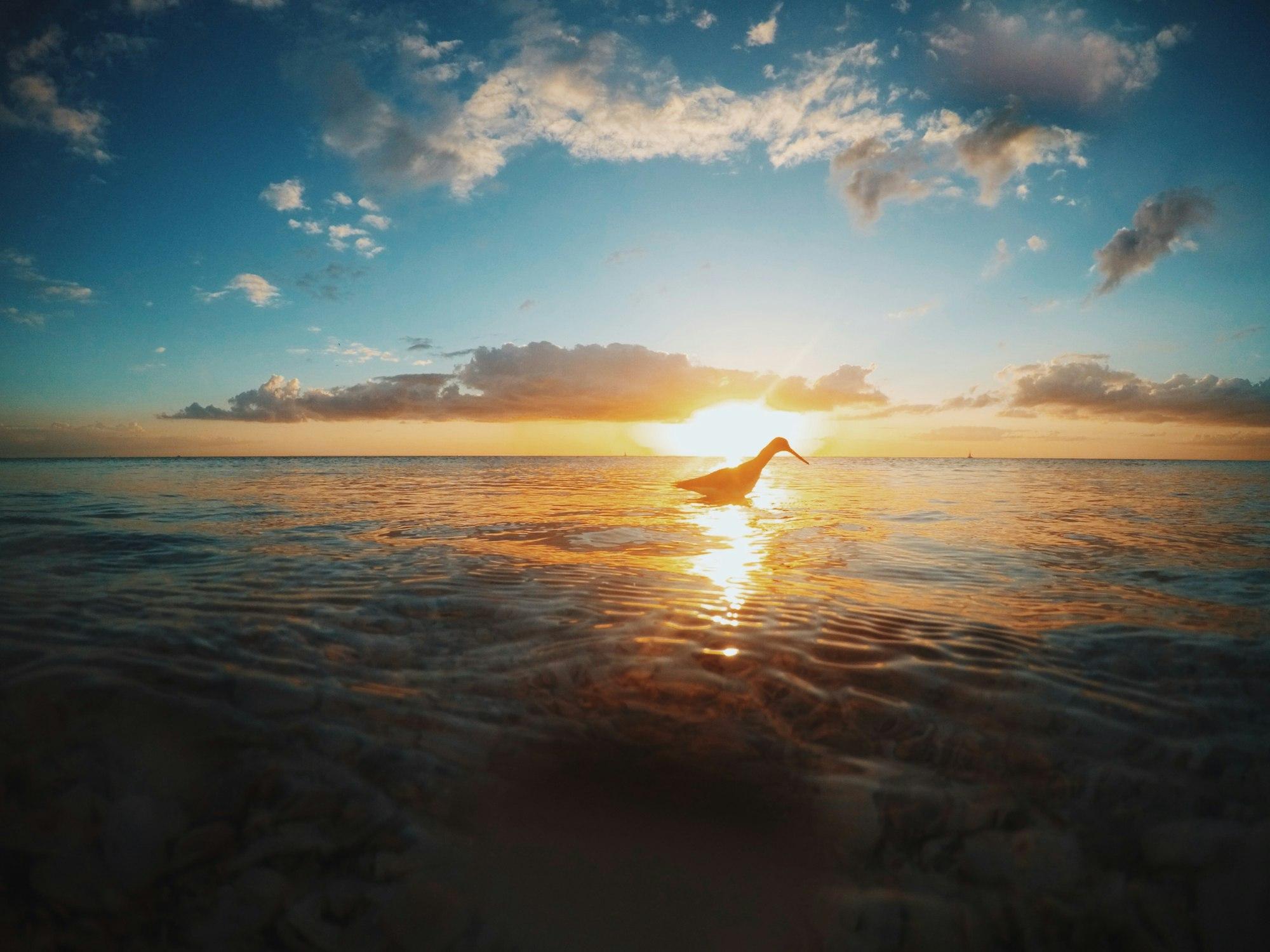
The dolphins get the billing, but the birds are there every trip. Pelicans and cormorants roost in the mangroves, ospreys fish the channels, and herons and egrets work the mudflats at low water. Rays and manatees turn up in the shallows, and the refuge is protected habitat for manatees, wood storks and sea turtles.
If you see a manatee, the state's advice is to look, not touch, and never to chase or crowd one. Your captain will slow down and give it room.
A tour where you help with the research
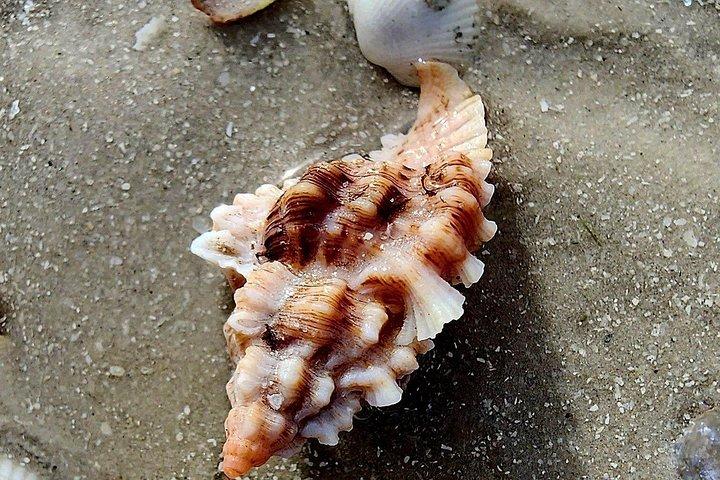
One long-running trip from Marco Island is built around a study. The 10,000 Islands Dolphin Project, launched in February 2006, tracks the bottlenose dolphins of Southwest Florida by photographing their dorsal fins, which are as individual as fingerprints. Guests aboard the Dolphin Explorer help locate, count and confirm each sighting. It runs about three hours and includes a shelling stop.
How to choose
- Length. Two hours is enough to find dolphins. Three or more adds a beach stop, which suits children who want to get off the boat.
- Shared or private. Shared boats cost less per person. A private boat goes at your pace and can linger, which matters if you have a camera.
- Dolphins only, or dolphins and shells. Many trips combine the two. If shells are the real goal, start with the shelling guide.
- Where it leaves from. Some boats leave from Marco Island itself and others from Goodland, at the far southeast corner. Check the meeting point before you book.
The rules, and why captains keep their distance
Federal guidance asks boats to stay at least 50 yards from dolphins and to limit time with any one group to half an hour. Feeding wild dolphins is against the law, and so is harassing them. Dolphins that learn to take food from people stop hunting, approach boats and propellers, and teach their calves to do the same.
In practice, dolphins often close the gap themselves and ride the boat's wake. That is their choice and it is the best view you will get. A captain who chases them is one to avoid.