When to go
Go around low tide. As the water drops it uncovers the sand where shells settle, and for an hour or so either side of the low you are walking ground that was underwater earlier in the day.
Early is better than late for a simpler reason: other people. A beach that has been walked all morning has been picked over. If the low tide falls near sunrise, that is the morning to set an alarm.
Where you can walk to
Tigertail Beach and Sand Dollar Island
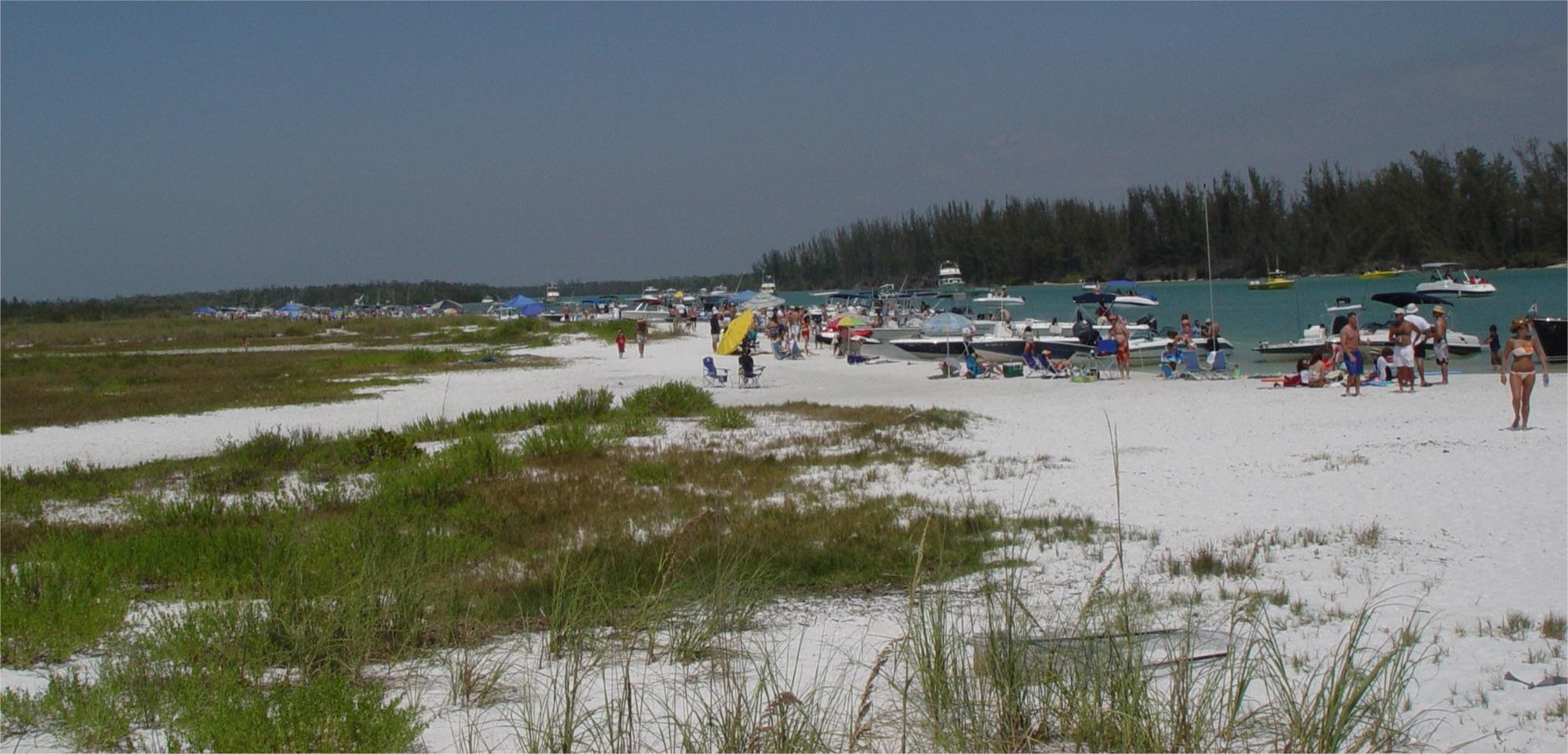
Tigertail Beach is the shelling beach you can drive to. The shells are on the Gulf side, which means crossing or walking around a tidal lagoon first. Most visitors stop at the lagoon, so the far side stays quieter than you would expect for a public beach.
The long strip of sand across the lagoon is known locally as Sand Dollar Island. Part of it is a state Critical Wildlife Area where shorebirds nest, and sections are roped off for them in spring and summer. Stay outside the posts.
South Marco Beach
The other public access is at the south end of the island. It is an easier walk from the car, which also means more feet on the sand. See the beaches guide for parking at both.
Where you need a boat
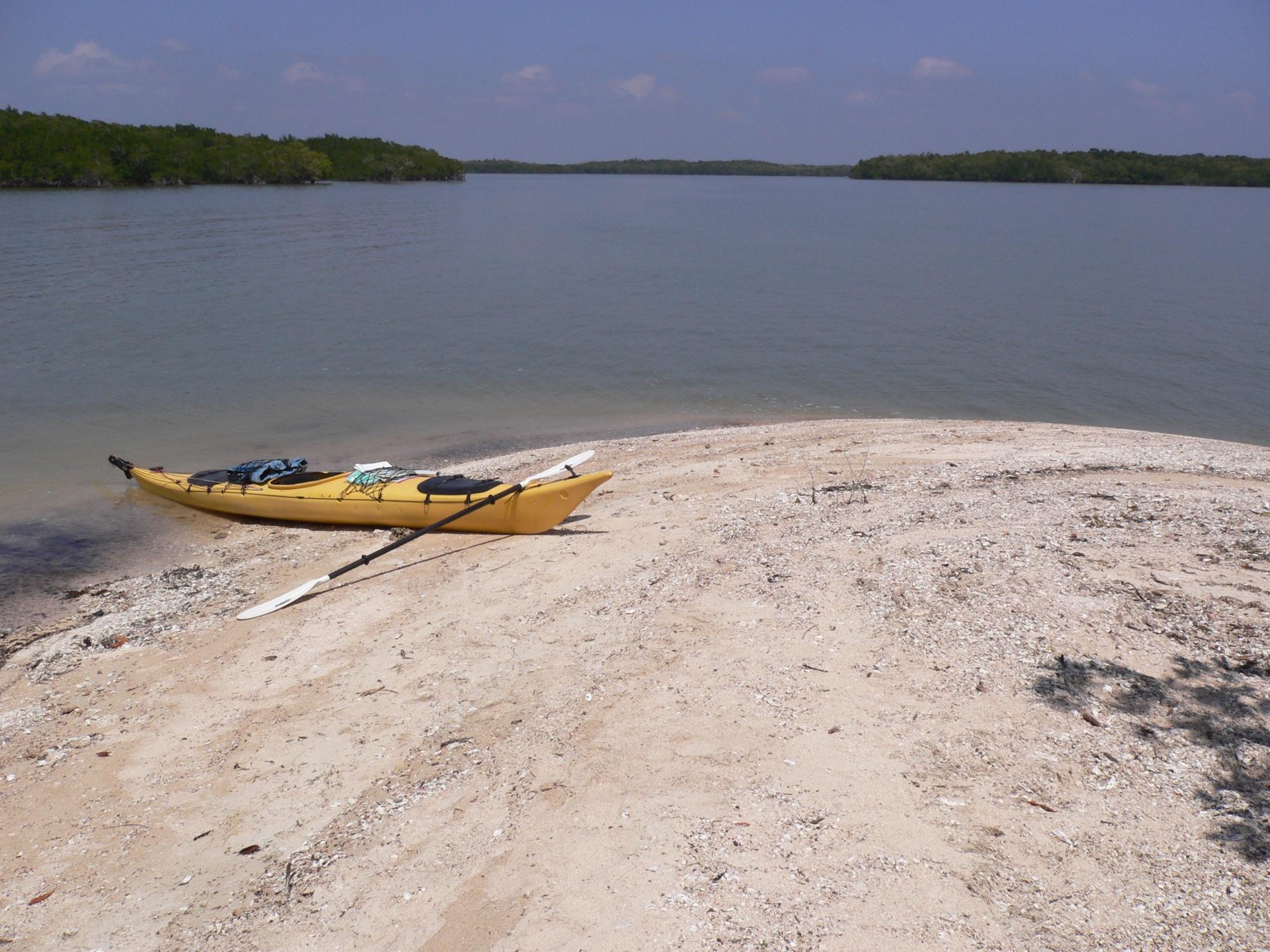
South of Marco Island the coast breaks up into the Ten Thousand Islands. Shelling trips from Goodland, the fishing village on the island's southeast corner, run to beaches such as Kice Island and Dickmans Island. There are no roads, no bridges and no buildings, so the only people on the sand came by boat.
To the north, Keewaydin Island is eight miles of beach between Marco Island and Naples. The Gulf side is the shelling side.
What you can keep
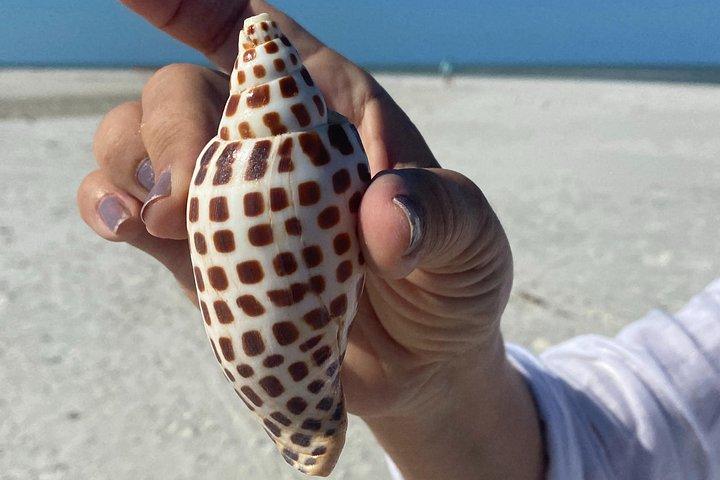
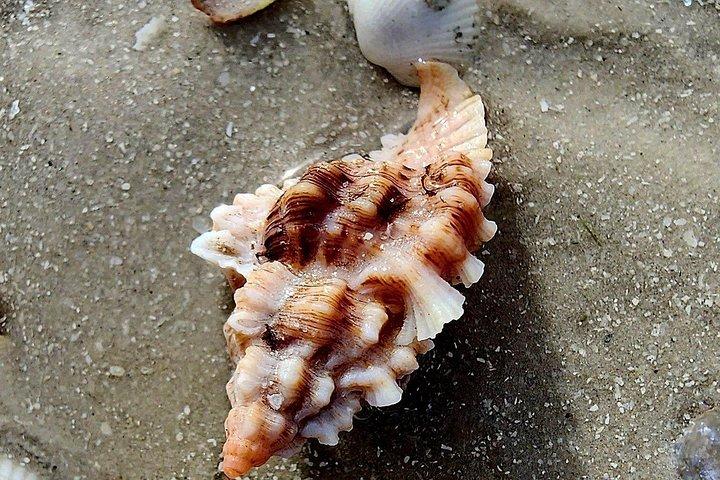
Take empty shells and leave anything alive. That one habit keeps you inside every rule that applies here.
- Florida requires a recreational saltwater fishing license to take any shell with a living animal inside, even from the shore.
- A live queen conch can never be taken, license or not.
- Tour operators on Marco Island say the city's own code bans live shelling on its beaches outright.
- State and federal parks and refuges can ban collecting altogether. Your captain will know the rule for wherever you land.
Is this sand dollar alive?
A live sand dollar is dark, somewhere between brown, purple and grey-green, and covered in short spines that move if you watch closely. An empty one is bleached pale and smooth. If you are not sure, hold it flat on your palm for a minute. A live one leaves a harmless yellow stain. Put it back in the water.
Is a shelling tour worth it?
If shells are the point of your trip, yes. The boat gets you to sand that has not been walked, and a guide who is out every day knows which beach is producing that week. If you would be just as happy with a morning on the beach, walk Tigertail at low tide first and decide after.
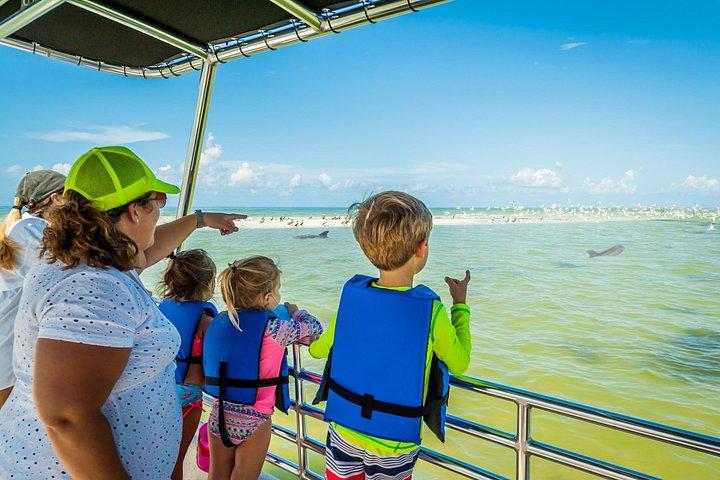
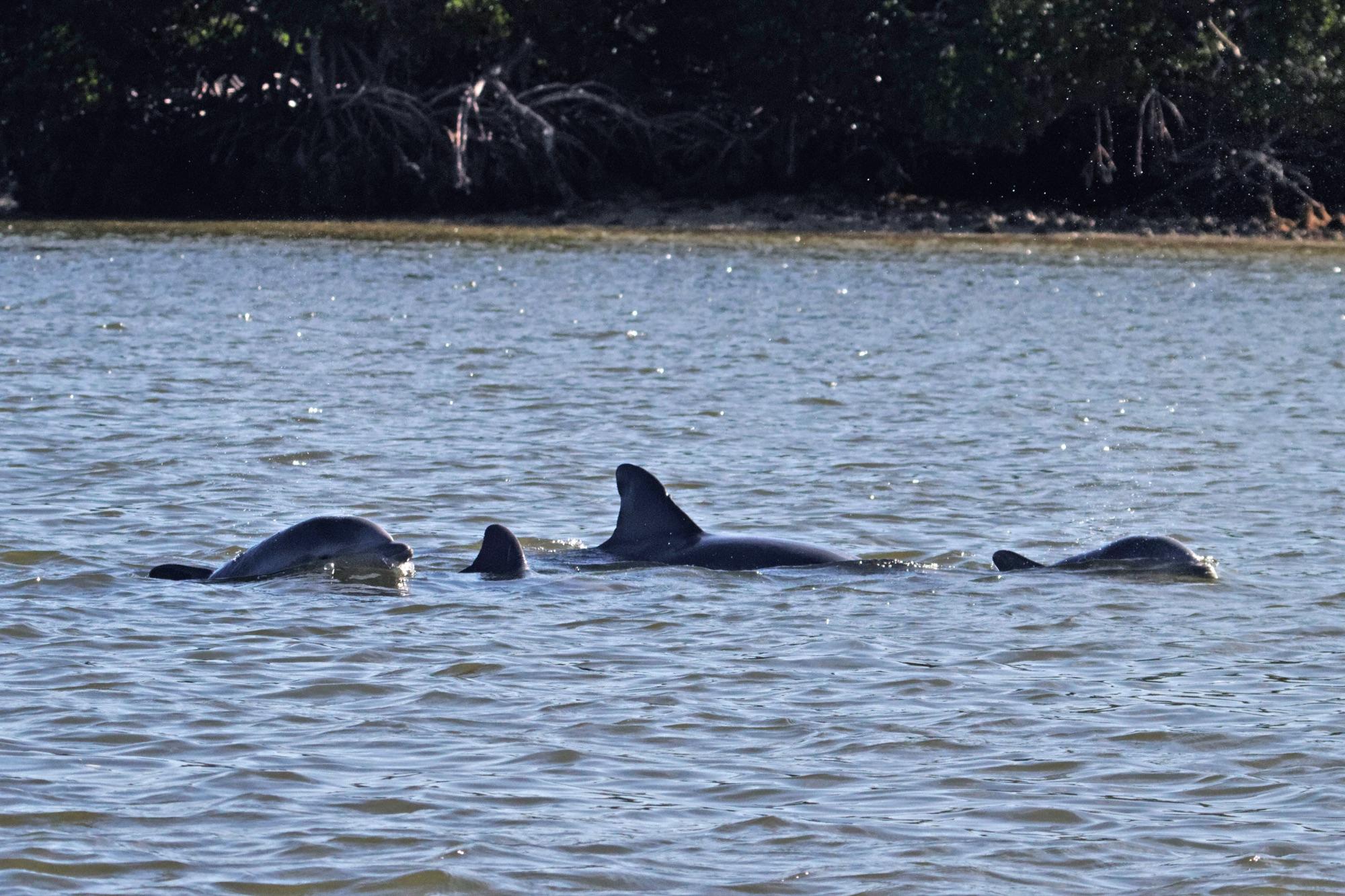
Most trips combine shelling with a look for dolphins on the way out. The differences that matter are time on the beach, group size, and whether the boat is shared or private.